Category Archives: Work
Higher and higher: Can psychoactive substance use enhance creativity?
In a previous blog I examined whether celebrities are more prone to addictions. In that article I argued that many high profile celebrities have the financial means to afford a drug habit like cocaine or heroin. For many in the entertainment business such as being the lead singer in a famous rock band, taking drugs may also be viewed as one of the defining behaviours of the stereotypical ‘rock ‘n’ roll’ lifestyle. In short, it’s almost expected. There is also another way of looking at the relationship between celebrities and drugs and this is in relation to creativity, particularly as to whether the use of drugs can inspire creative writing or music. For instance, did drugs like cannabis and LSD help The Beatles create some of the best music ever such as Revolver? Did the Beach Boys’ Brian Wilson’s use of drugs play a major role in why the album Pet Sounds is often voted the best album of all time? Did the use of opium by Edgar Allen Poe create great fiction? Did William S. Burroughs’ use of heroin enhance his novel writing?

To investigate the question of whether drug use enhances creativity, I and my research colleagues Fruzsina Iszáj and Zsolt Demetrovics have just published a review paper in the International Journal of Mental Health and Addiction examining this issue. We carried out a systematic review of the psychological literature and reviewed any study that provided empirical data on the relationship between psychoactive substance use and creativity/artistic creative process that had been published in English in peer-reviewed journals or scientific books. Following a rigorous filtering process, we were surprised to find only 19 studies that had empirically examined the relationship between drug use and creativity (14 empirical studies and five case studies).
Six of the 19 studies (four empirical papers and two case reports) were published during the 1960s and 1970s. However, following the peak of psychedelia, only three papers (all of them empirical) were published in the following 20 years. Since 2003, a further 10 studies were published (seven empirical papers and three case studies). The majority of the studies (58%) were published in the USA. This dominance is especially true for the early studies in which six of the seven empirical papers and both case studies that were published before mid-1990s were written by US researchers. However, over the past 14 years, this has changed. The seven empirical papers published post-2000 were shared between six different countries (USA, UK, Italy, Wales, Hungary, Austria), and the three case studies came from three countries (USA, UK, Germany).
Seven empirical papers and two case studies dealt with the relationship between various psychoactive substances and artistic creation/creativity. Among the studies that examined a specific substance, six (three empirical papers and three case studies) focused on the effects of either LSD or psilocybin. One empirical study focused on cannabis, and one concerned ayahuasca.
With the exception of one study where the sample focused on adolescents, all the studies comprised adults. More non-clinical samples (15 studies, including case studies) were found than clinical ones (four studies). Three different methodological approaches were identified. Among the empirical studies, seven used questionnaires comprising psychological assessment measures such as the Torrance Test of Creative Thinking (TTCT).
According to the types of psychoactive substance effect on creativity, we identified three groups. These were studies that examined the effect of psychedelic substances (n=5), the effect of cannabis (n=1), and those that did not make a distinction between substances used because of the diverse substances used by participants in the samples (n=7). In one study, the substances studied were not explicitly identified.
The most notable observation of our review was that the findings of these studies show only limited convergence. The main reason for this is likely to be found in the extreme heterogeneity concerning the objectives, methodology, samples, applied measures, and psychoactive substances examined among the small number of studies. Consequently, it is hard to draw a clear conclusion about the effect of psychoactive substance use on creativity based on the reviewed material.
Despite the limited agreement, most of the studies confirmed some sort of association between creativity and psychoactive substance use, but the nature of this relationship was not clearly established. The frequently discussed view that the use of psychoactive substances leads to enhanced creativity was by no means confirmed. What the review of relevant studies suggests is that: (i) substance use is more characteristic in those with higher creativity than in other populations, and (ii) it is probable that this association is based on the inter-relationship of these two phenomena. At the same time, it is probable that there is no evidence of a direct contribution of psychoactive substances to enhanced creativity of artists.
It is more likely that substances act indirectly by enhancing experiences and sensitivity, and loosening conscious processes that might have an influence on the creative process. This means the artist will not be more creative but the quality of the artistic product will be altered due to substance use. On the other hand, it appears that psychoactive substances may have another role concerning artists, namely that they stabilize and/or compensate a more unstable functioning.
Beyond the artistic product, we also noted that (iii) specific functions associated with creativity appear to be modified and enhanced in the case of ordinary individuals due to psychoactive substance use. However, it needs to be emphasized that these studies examined specific functions while creativity is a complex process. In light of these studies, it is clear that psychoactive substances might contribute to a change of aesthetic experience, or enhanced creative problem solving. One study (a case study of the cartoonist Robert Crumb) showed that LSD changed his cartoon illustrating style. Similarly, a case study of Brian Wilson argued that the modification of musical style was connected to substance use. However, these changes in themselves will not result in creative production (although they may contribute to the change of production style or to the modification of certain aspects of pieces of arts). What was also shown is that (iv) in certain cases, substances may strengthen already existing personality traits.
In connection with the findings reviewed, one should not overlook that studies focused on two basically different areas of creative processes. Some studies examined the actual effects of a psychoactive substance or substances in a controlled setting, while others examined the association between creativity and chronic substance users. These two facets differ fundamentally. While the former might explain the acute changes in specific functions, the latter may highlight the role of chronic substance use and artistic production.
It should also be noted that the studies we reviewed differed not only regarding their objectives and methodology, but also showed great heterogeneity in quality. Basic methodological problems were identified in many of these studies (small sample sizes, unrepresentative samples, reliance on self-report and/or non-standardized assessment methods, speculative research questions, etc.). Furthermore, the total number of empirical studies was very few. At the same time, the topic is highly relevant both in order to understand the high level of substance use in artists and in order to clarify the validity of the association present in public opinion. However, it is important that future studies put specific emphasis on adequate methodology and clear research questions.
Dr. Mark Griffiths, Professor of Behavioural Addiction, International Gaming Research Unit, Nottingham Trent University, Nottingham, UK
Further reading
Belli, S. (2009). A psychobiographical analysis of Brian Douglas Wilson: Creativity, drugs, and models of schizophrenic and affective disorders. Personality and Individual Differences, 46, 809-819.
Dobkin de Rios, M. & Janiger, O. (2003). LSD, spirituality, and the creative process. Rochester, VT: Park Street Press.
Edwards, J. (1993). Creative abilities of adolescent substance abusers. Journal of Group Psychotherapy, Psychodrama & Sociometry, 46, 52-60.
Fink, A., Slamar-Halbedl, M., Unterrainer, H.F. & Weiss, E.M. (2012). Creativity: Genius, madness, or a combination of both? Psychology of Aesthetics, Creativity, and the Arts, 6(1), 11–18.
Forgeard, M.J.C. & Elstein, J.G. (2014). Advancing the clinical science of creativity. Frontiers in Psychology, 5, 613.
Frecska, E., Móré Cs. E., Vargha, A. & Luna, L.E. (2012). Enhancement of creative expression and entoptic phenomena as after-effects of repeated ayahuasca ceremonies. Journal of Psychoactive Drugs, 44, 191-199
Holm-Hadulla, R.M. & Bertolino, A. (2014). Creativity, alcohol and drug abuse: The pop icon Jim Morrison. Psychopathology, 47,167-73
Iszáj, F. & Demetrovics, Z. (2011). Balancing between sensitization and repression: The role of opium in the life and art of Edgar Allan Poe and Samuel Taylor Coleridge. Substance Use and Misuse, 46, 1613-1618
Iszaj, F., Griffiths, M.D. & Demetrovics, Z. (2016). Creativity and psychoactive substance use: A systematic review. International Journal of Mental Health and Addiction. doi: 10.1007/s11469-016-9709-8
Jones, M.T. (2007). The creativity of crumb: Research on the effects of psychedelic drugs on the comic art of Robert Crumb. Journal of Psychoactive Drugs, 39, 283-291.
Jones, K.A., Blagrove, M. & Parrott, A.C. (2009). Cannabis and ecstasy/ MDMA: Empirical measures of creativity in recreational users. Journal of Psychoactive Drugs. 41(4), 323-329
Kerr, B. & Shaffer, J. & Chambers, C., & Hallowell, K. (1991). Substance use of creatively talented adults. Journal of Creative Behavior, 25(2), 145-153.
Knafo, D. (2008). The senses grow skilled in their craving: Thoughts on creativity and addiction. Psychoanalytic Review, 95, 571-595.
Lowe, G. (1995). Judgements of substance use and creativity in ’ordinary’ people’s everyday lifestyles. Psychological Reports. 76, 1147-1154.
Oleynick, V.C., Thrash, T. M., LeFew, M. C., Moldovan, E. G. & Kieffaber, P. D. (2014). The scientific study of inspiration in the creative process: challenges and opportunities. Frontiers in Human Neuroscience, 8, 436.
Plucker, J.A., McNeely, A. & Morgan, C. (2009). Controlled substance-related beliefs and use: Relationships to undergraduates’ creative personality traits. Journal of Creative Behavior, 43(2), 94-101
Preti, A. & Vellante, M. (2007). Creativity and psychopathology. Higher rates of psychosis proneness and nonright-handedness among creative artists compared to same age and gender peers. Journal of Nervous and Mental Disease, 195(10), 837-845.
Schafer, G. & Feilding, A. & Morgan, C. J. A. & Agathangelou, M. & Freeman, T. P. & Curran, H.V. (2012). Investigating the interaction between schizotypy, divergent thinking and cannabis use. Consciousness and Cognition, 21, 292–298
Thrash, T.M., Maruskin, L.A., Cassidy, S. E., Fryer, J.W. & Ryan, R.M. (2010). Mediating between the muse and the masses: inspiration and the actualization of creative ideas. Journal of Personality and Social Psychology, 98, 469–487.
Meditation as self-medication: Can mindfulness be addictive?
(Please note, the following blog is an extended version of an article by my research colleagues Dr. Edo Shonin and William Van Gordon (that was first published here) and to which I have added some further text. If citing this article, we recommend: Shonin, E., Van Gordon, W. & Griffiths, M.D. (2016). Meditation as self-medication: Can mindfulness be addictive? Located at: https://drmarkgriffiths.wordpress.com/2016/10/24/meditation-as-self-medication-can-mindfulness-be-addictive/).
Mindfulness is growing in popularity and is increasingly being used by healthcare professionals for treating mental health problems. There has also been a gradual uptake of mindfulness by a range of organisations including schools, universities, large corporations, and the armed forces. However, the rate at which mindfulness has been assimilated by Western society has – in our opinion – meant that there has been a lack of research exploring the circumstances where mindfulness may actually cause a person harm. An example of a potentially harmful consequence of mindfulness that we have identified in our own research is that of a person developing an addiction to mindfulness.

In a previous blog, the issue of whether meditation more generally can be addictive was examined. In a 2010 article by Michael Sigman in the Huffington Post entitled “Meditation and Addiction: A Two-Way Street?”, Sigman recounted the story about how one of his friends spent over two hours every day engaging in meditation while sat in the lotus position. He then claimed:
“There are those few for whom meditation can become compulsive, even addictive. The irony here is that an increasing body of research shows that meditation – in particular Buddhist Vipassana meditation – is an effective tool in treating addiction. One category of meditation addiction is related to the so-called ‘spiritual bypass’. Those who experience bliss when they meditate may practice relentlessly to recreate that experience, at the expense of authentic self-awareness. A close friend who’s done Transcendental Meditation for decades feels so addicted to it, she has a hard time functioning when she hasn’t ‘transcended’”.
Obviously, this is purely anecdotal but at least raises the issue that maybe for a very small minority, meditation might be addictive. In addition, empirical studies have shown that meditation can increase pain tolerance, and that the body produces its own morphine-like substances (i.e., endorphins). Therefore, the addictive qualities of meditation may be due to increased endorphin production that creates a semi-dissociative blissful state.
Being addicted to meditation – and more specifically mindfulness – would constitute a form of behavioural addiction (i.e., as opposed to chemical addiction). Examples of better known forms of behavioural addiction are gambling disorder, internet gaming disorder, problematic internet use, sex addiction, and workaholism. According to the components model of addiction, a person would suffer from an addiction to mindfulness if they satisfied the following six criteria:
- Salience: Mindfulness has become the single most important activity in their life.
- Mood modification: Mindfulness is used in order to alleviate emotional stress (i.e., escape) or to experience euphoria (i.e., a ‘high’).
- Tolerance: Practising mindfulness for longer durations in order to derive the same mood-modifying effects.
- Withdrawal: Experiencing emotional and physical distress (e.g., painful bodily sensations) when not practising mindfulness.
- Conflict: The individual’s routine of mindfulness practice causes (i) interpersonal conflict with family members and friends, (ii) conflict with activities such as work, socialising, and exercising, and (iii) psychological and emotional conflict (also known as intra-psychic conflict).
- Relapse: Reverting to earlier patterns of excessive mindfulness practice following periods of control or abstinence.
In modern society, the word ‘addiction’ has negative connotations but it should be remembered that addictions have been described by some as both positive and negative (for instance, Dr. Bill Glasser has spent his whole career talking about ‘positive’ addictions). For example, in separate clinical case studies that we conducted with individuals suffering from pathological gambling, sex addiction, and workaholism, it was observed that the participants substituted their addiction to gambling, work, or sex with mindfulness (and maybe even developed an addiction to it, depending upon the definition of addiction). In the beginning phases of psychotherapy, this process of addiction substitution represented a move forward in terms of the individual’s therapeutic recovery. However, as the therapy progressed and the individual’s dependency on gambling, work, or sex began to weaken, their “addiction” to mindfulness was restricting their personal and spiritual growth, and was starting to cause conflict in other areas of their life. Therefore, it became necessary to help them change the way they practiced and related to mindfulness.
Mindfulness is a technique or behaviour that an individual can choose to practice. However, the idea is that the individual doesn’t separate mindfulness from the rest of their lives. If an individual sees mindfulness as a practice or something that they need to do in order to find calm and escape from their problems, there is a risk that they will become addicted to it. It is for this reason that we always exercise caution before recommending that people follow a strict daily routine of mindfulness practice. In fact, in the mindfulness intervention that we (Shonin and Van Gordon) developed called Meditation Awareness Training, we don’t encourage participants to practice at set times of day or to adhere to a rigid routine. Rather, we guide participants to follow a dynamic routine of mindfulness practice that is flexible and that can be adapted according to the demands of daily living. For example, if a baby decides to wake up earlier than usual one morning, the mother can’t tell it to wait and be quite because it’s interfering with her time for practising mindfulness meditation. Rather, she has to tend to the baby and find another time to sit in meditation. Or better still, she can tend to the baby with love and awareness, and turn the encounter with her child into a form of mindfulness practice. We live in a very uncertain world and so it is valuable if we can learn to be accommodating and work mindfully with situations as they unfold around us.
One of the components in the components model of addiction is ‘salience’ (put more simply, importance). In general, if an individual prioritises a behaviour (such as gambling) or a substance (such as cannabis) above all other aspects of their life, then it’s probably fair to say that their perspective on life is misguided and that they are in need of help and support. However, as far as mindfulness is concerned, we would argue that it’s good if it becomes the most important thing in a person’s life. Human beings don’t live very long and there can be no guarantee that a person will survive the next week, let alone the next year. Therefore, it’s our view that it is a wise move to dedicate oneself to some form of authentic spiritual practice. However, there is a big difference between understanding the importance of mindfulness and correctly assimilating it into one’s life, and becoming dependent upon it.
If a person becomes dependent upon mindfulness, it means that it has remained external to their being. It means that they don’t live and breathe mindfulness, and that they see it as a method of coping with (or even avoiding) the rest of their life. Under these circumstances, it’s easy to see how a person can develop an addiction to mindfulness, and how they can become irritable with both themselves and others when they don’t receive their normal ‘fix’ of mindfulness on a given day.
Mindfulness is a relatively simple practice but it’s also very subtle. It takes a highly skilled and experienced meditation teacher to correctly and safely instruct people in how to practise mindfulness. It’s our view that because the rate of uptake of mindfulness in the West has been relatively fast, in the future there will be more and more people who experience problems – including mental health problems such as being addicted to mindfulness – as a result of practising mindfulness. Of course, it’s not mindfulness itself that will cause their problems to arise. Rather, problems will arise because people have been taught how to practice mindfulness by instructors who are not teaching from an experiential perspective and who don’t really know what they are talking about. From personal experience, we know that mindfulness works and that it is good for a person’s physical, mental, and spiritual health. However, we also know that teaching mindfulness and meditation incorrectly can give rise to harmful consequences, including developing an addiction to mindfulness.
Dr. Mark Griffiths, Professor of Behavioural Addiction, International Gaming Research Unit, Nottingham Trent University, Nottingham, UK
Further Reading
Glasser, W. (1976). Positive addictions. Harper & Row, New York, NY.
Griffiths, M.D. (1996). Behavioural addictions: An issue for everybody? Journal of Workplace Learning, 8(3), 19-25.
Griffiths, M.D. (2005). A ‘components’ model of addiction within a biopsychosocial framework. Journal of Substance Use, 10, 191-197.
Griffiths, M.D. (2011). Behavioural addiction: The case for a biopsychosocial approach. Trangressive Culture, 1, 7-28.
Larkin, M., Wood, R.T.A. & Griffiths, M.D. (2006). Towards addiction as relationship. Addiction Research and Theory, 14, 207-215.
Shonin, E., Van Gordon, W., & Griffiths, M. D. (2013). Buddhist philosophy for the treatment of problem gambling. Journal of Behavioral Addictions, 2, 63-71.
Shonin, E., Van Gordon, W., & Griffiths, M.D. (2014). The treatment of workaholism with Meditation Awareness Training: A case study. Explore: The Journal of Science and Healing, 10, 193-195.
Shonin, E., Van Gordon W., & Griffiths, M.D. (2014). Mindfulness as a treatment for behavioral addiction. Journal of Addiction Research and Therapy, 5, e122. doi: 10.4172/2155- 6105.1000e122.
Shonin, E., Van Gordon W., & Griffiths, M.D. (2015). Are there risks associated with using mindfulness for the treatment of psychopathology? Clinical Practice, 11, 389-382.
Shonin, E., Van Gordon, W., & Griffiths, M.D. (2016). Mindfulness and Buddhist-derived Approaches in Mental Health and Addiction. New York: Springer.
Sigman, M. (2010). Meditation and addiction: A two-way street? Huffington Post, November 15. Located at: http://www.huffingtonpost.com/michael-sigman/meditation-and-addiction_b_783552.htm
Sussman, S., Lisha, N., Griffiths, M.D. (2011). Prevalence of the addictions: A problem of the majority or the minority? Evaluation and the Health Professionals, 34, 3-56.
Van Gordon, W., Shonin, E., & Griffiths, M.D. (2015). Mindfulness in mental health: A critical reflection. Journal of Psychology, Neuropsychiatric Disorders and Brain Stimulation, 1(1), 102.
Van Gordon, W., Shonin, E., & Griffiths, M.D. (2016). Meditation Awareness Training for the treatment of sex addiction: A case study. Journal of Behavioral Addiction, 5, 363-372.
Van Gordon, W., Shonin, E., & Griffiths, M.D. (2016). Ontological addiction: Classification, etiology, and treatment. Mindfulness, 7, 660-671.
Game on: A brief look at gambling on eSports
Like daily fantasy sports, betting on eSports (i.e., professional video gaming) has increased in popularity over the last few years and has given rise to allegations of unregulated and underage gambling. The eSports market is large. According to a 2016 report by Superdata, professional eSports is growing exponentially and is worth an estimated $612 (US) million a year. Furthermore, Eilers and Krejcik Gaming estimate that real money betting on eSports betting will reach $10 billion (US) by 2020. The professionalization and sportification of this entertainment form has brought sports-world elements to it: stadium-like facilities, cheering stands, sponsors, big rewards, and competition. Instant replays, jumbotrons (i.e., super-huge television screens), and referees add to the sport dramatisation. In some notorious cases, prizes have gone beyond the $10 million [US] threshold in a packed arena housing 73,000 fans. According to by John McMullan and Delthia Miller in a 2008 issue of the Journal of Gambling Issues, sportification is the process of incorporating the logics of sport to non-sporting contexts (e.g., poker, eSports. This can materialise in many ways but most commonly occurs when (i) other industries capitalise on the positive attributes of sport (e.g., popularity, engagement, or sanity and health inferences); and (ii) non-sport fields try to increase the entertainment and playability of their products and their association with joy and excitement.

Twitch, an online platform that streams live video gaming, informs its’ advertisers that it has 100 million monthly viewers, who watch for an average of 106 minutes a day. Betting on eSports presents new challenges. As a news report in Bloomberg news observed in relation to betting on the game Counterstrike: Global Offensive (CSGO):
“Gambling – licensed, regulated, and by adults – is generally accepted in eSports. There is growing concern, though, that teenagers are being attracted to different forms of betting facilitated by third-party providers. One such platform is CSGO Lounge (an independent site not affiliated with Valve Software, which develops the game itself). The site allows spectators to bet in-game add-ons known as skins – weapons, tools and the like – on the results of matches. Not all skins are created equal, and the rarity of some means they can cost hundreds of real dollars on marketplace sites like SkinXchange.com. The temptation is too much for some”.
Put simply, skin gambling is the use of virtual goods and items (typically cosmetic elements that have no direct influence on gameplay) as virtual currency to bet on the outcome of professional matches. The Bloomberg article also claims on the basis of interviews with industry insiders that underage skin gambling is a “huge problem”. Justin Carlson (lead developer of SkinXchange) claims there are “countless” parents whose children have used their credit cards without their knowledge to buy skins and bet on gaming on other sites. Although anecdotal, Carlson claims that some minors have “racked up hundreds or thousands of dollars in skins on ‘SkinXchange’ just to lose them all on some betting or jackpot site”. It’s clear that people trading skins in eSports has grown over the last few years and various regulators around the world – such as the UK Gambling Commission (UKGC) – are considering regulation and says it is an “emerging product” and an “area for continuing future focus”. More specifically, the UKGC’s 2016 Annual Report notes:
“The growing market in esports and computer gaming has scope to present issues for regulation and player protection – issues which are being examined by gambling regulators in other international markets…These issues range from the emergence of real money esports betting markets, to trading in-game items which blur the lines between gambling and social gaming. Our focus will be to understand developments, including engaging with key stakeholders, and we will work wherever we can to ensure the risks associated with these, particularly to children and young people, are minimised”.
One of the complicating factors for eSports gambling is that while cash is the currency for many gamblers, there is a growing trend towards the use of virtual currencies, or ‘in-game items’ which, according to the UKGC, can be “won, traded, sold or used as virtual currency to gamble with and converted into money or money’s worth”. These, according to the UKGC, “include digital commodities (such as ‘skins’) which can be won or purchased within the confines of computer games and can then be used as a form of virtual currency on a growing number of gambling websites”. No academic research has examined underage skin gambling but this is an issue that is unlikely to diminish over the coming years.
It is also worth noting that this massive interest in eSports followed by a massive audience has led most major betting operators to include eSports in their daily gambling offer. However, the singularities of eSports market pose new challenges that conventional online betting sites struggle to address. Suraj Gosai, co-founder of Blinkpool, an eSports dedicated betting platform, laid out two main problems: in-play betting limitations and odds algorithmic programming. For in-play betting to be viable, companies need to get access to reliable, instantaneous, and unambiguous data that can settle bets and separate winners from losers. Data companies like Perform do that in sport, and betting operators rely on their data to offer in-play action to gamblers. The problem in eSports is that actions are not as quantified and standardised as in real-life sports. To counteract that, Blinkpool created a computer vision technology that extracts data from real-time action and promotes hyper-contextual opportunities, that is, 10- to 45-second in-play betting mini-markets concerning very specific developments in the narrative of the games.
Odds programming in sports betting is fundamentally based on historical data from hundreds of thousands of games, from which each factor (home advantage, table position, head-to-head, etc.) is weighted in to determine the probability of an event occurring. In the fixed-odds betting market, the bookmaker makes available to bettors that probability plus a benefit margin. When placing a bet, an individual bets against the probability that the house has predicted. This is not yet feasible in eSports because the historical data are scarce and the modelling is complex. Companies are circumventing this problem by offering exchange betting rather than fixed-odds. This method comprises peer betting, that is, bettors do not bet against the house but between one another. This way, the house gets a commission from winning bets and operates a much less risky business.
Dr. Mark Griffiths, Professor of Behavioural Addictions, International Gaming Research Unit, Nottingham Trent University, Nottingham, UK
Further reading
Bracken, G. (2016). We hope to be the home of eSports betting. Gambling Insider. Available from: https://www.gamblinginsider.com/in-depth/1909/we-hope-to-be-the-home-of-esports-betting
Gambling Commission (2015). Explaining our approach to social gaming. Located at: http://www.gamblingcommission.gov.uk/Gambling-data-analysis/Social-media/Explaining-our-approach-to-social-gaming.aspx
Gambling Commission (2016). Annual Report 2015/16. Birmingham: Gambling Commission.
McMullan, J. L., & Miller, D. (2008). All in! The commercial advertising of offshore gambling on television. Journal of Gambling Issues, 22, 230-251.
Melbourne, K. & Campbell, M. (2015). Professional gaming may have an underage gambling problem. Bloomberg, September 7. Available at: http://www.bloomberg.com/news/articles/2015-09-07/professional-video-gaming-has-an-underage-gambling-problem
Superdata (2016). eSports Market Report. Available at: https://www.superdataresearch.com/market-data/esports-market-brief/
Wingfield, N. (2014) In e-Sports, video gamers draw real crowds and big money. New York Times, August 30. Available from: http://www.nytimes.com/2014/08/31/technology/esports-explosion-brings-opportunity-riches-for-video-gamers.html?_r=0
Wood, J. (2016). UK Gambling Commission: We’ll work to minimize risks from emerging esports betting markets. Esports Betting Report, July 19. Available at: http://www.esportsbettingreport.com/uk-regulators-address-esports-betting/
A cite for more I’s? A brief personal look at obsessive self-citation
All of us who are involved in any kind of academic writing have to conform to minimum standards such as the meticulous recording of source material in the form of cited references. Griffiths (2005) noted that there are three main reasons why people use references. These being (i) the expression of an idea has been put forward more clearly elsewhere by someone else, (ii) to make specific reference to relevant past literature, and (iii) to provide suggestions for further background reading.
These reasons can also be applied to self-citation. However, self-citation has additional advantages. Griffiths (2005) also notes that self-citation references can also be used to (i) let journal reviewers and referees know who has written the paper (which may not always be a good thing!), (ii) to establish to readers your reputation in a given area and/or (iii) satisfy cravings to see your name in print! In today’s blog I aim to examine the art of obsessive self-citation in academic writing and give some effortless hints and tips.
It has previously been asserted that self-citation is academia’s way of expressing one’s ego although this was based on anecdotal evidence rather than any kind of empirical investigation (Griffiths, 2016a). After an exhaustive literature search it perhaps came as no surprise that I found absolutely nothing on the subject of self-citation except an unpublished paper by myself (Griffiths, 2013) which has been described as “the best article in this area” (Griffiths, 2016b).
So what can the experienced and obsessive self-citation expert get up to in the course of a single article? Self-citation aficionados are known to use such tricks as referring to themselves in less conventional formats such as letters to national newspaper (e.g. Griffiths, 1998), articles in international newspapers (Griffiths, 2014), articles in national newspapers (e.g. Griffiths, 2016c), articles in local newspapers (Griffiths, 2016d), educational leaflets (e.g. Griffiths, 1993a), consultancy reports (e.g. Griffiths, 2002a) or blogs (Griffiths, 2016e).

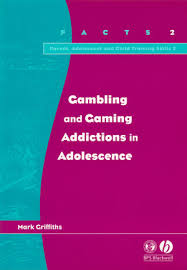


However, these work most effectively if they are buried away amongst more conventional references such as books and refereed journal articles. Those experienced in obsessive self-citation will often sink to even murkier depths. For instance, self-citation is an excellent way of introducing something that seems implausible into your argument. Two common ways to disguise implausibility is the liberal use of such phrases as “paper forthcoming”, “manuscript submitted for publication”, “internal report” or “personal communication” (however, the latter should be used very sparingly as it suggests that the author is someone who talks about things more than writing them). If you sprinkle these into an article and intersperse them with a few very genuine citations such as books you wrote which received very good reviews (Griffiths, 1995; 2002b) or some of your good and/or highly cited refereed journal papers spread across a number of years (Auer & Griffiths, 2015; Cole & Griffiths, 2007; Griffiths, 1991a; 1993b; 1994; 1996; 1997; 1999; 2000; 2001; 2003; 2004; 2008; 2010; Griffiths, Kuss, Billieux & Pontes, 2016; Kuss, Griffiths & Binder, 2013) it can look very professional and in some cases impressive (or just show you to be the egomaniac that you are).
For the really experienced, secondary self-citation or embedded self-citations can often be useful. This is a technique where you can use quotes attributed to you in a newspaper or magazine article written by someone else (e.g. Griffiths, 1991b) although it looks as though it is one of the author’s bona fide references.
However, as my last word on the subject, I will leave you with one practice you should definitely avoid. I am referring to the inclusion of self-citation by pseudonym that has been described by Mithgriffs (2015) as “a despicable habit that should be stamped out”.
Dr. Mark Griffiths, Professor of Behavioural Addiction, International Gaming Research Unit, Nottingham Trent University, Nottingham, UK
References
Auer, M. & Griffiths, M.D. (2015). Testing normative and self-appraisal feedback in an online slot-machine pop-up message in a real-world setting. Frontiers in Psychology, 6, 339. doi: 10.3389/fpsyg.2015.00339.
Cole, H. & Griffiths, M.D. (2007). Social interactions in Massively Multiplayer Online Role-Playing gamers. CyberPsychology and Behavior, 10, 575-583.
Griffiths, M.D. (1991a). The observational study of adolescent gambling in UK amusement arcades. Journal of Community and Applied Social Psychology, 1, 309-320.
Griffiths, M.D. (1991b). Cited in Neustatter, A. “Keyboard junkies”. The Independent on Sunday Review, November 17, p.64.
Griffiths, M.D. (1993a). Your child and video games: Advice for parents. Coventry: National Council for Educational Technology (leaflet).
Griffiths, M.D. (1993b). Tolerance in gambling: An objective measure using the psychophysiological analysis of male fruit machine gamblers. Addictive Behaviors, 18, 365-372.
Griffiths, M.D. (1994). The role of cognitive bias and skill in fruit machine gambling. British Journal of Psychology, 85, 351-369.
Griffiths, M. (1995). Adolescent Gambling. London: Routledge.
Griffiths, M.D. (1996). Pathological gambling and its treatment. British Journal of Clinical Psychology, 35, 477-479.
Griffiths, M.D. (1997). Video games and clinical practice: Issues, uses and treatments. British Journal of Clinical Psychology, 36, 639- 641.
Griffiths, M.D. (1998). Unlucky number for under-16s. The Guardian, February 25, p.15.
Griffiths, M.D. (1999). Counselling in the treatment of pathological gambling: An overview. British Journal of Guidance and Counselling, 27, 179-190.
Griffiths, M.D. (2000). Internet addiction – Time to be taken seriously? Addiction Research, 8, 413-418.
Griffiths, M.D. (2001). Sex on the Internet: Observations and implications for sex addiction. Journal of Sex Research, 38, 333-342.
Griffiths, M.D. (2002a). The Social Impact of Casinos. Nottingham: Browne-Jackson.
Griffiths, M.D. (2002b). Gambling and Gaming Addictions in Adolescence. Leicester: British Psychological Society/Blackwells.
Griffiths, M.D. (2003). The therapeutic use of videogames in childhood and adolescence. Clinical Child Psychology and Psychiatry, 8, 547-554.
Griffiths, M.D. (2004a). Odds and sods: You (nearly) win again. The Guardian, April 20, p. 6.
Griffiths, M.D. (2004b). Can videogames be good for your health? Journal of Health Psychology, 9, 339-344.
Griffiths, M.D. (2005). Self-citation: A practical guide. Null Hypothesis: The Journal of Unlikely Science (‘Best of’ issue), 15-16.
Griffiths, M.D. (2008). The biopsychosocial and “complex” systems approach as a unified framework for addiction. Behavioral and Brain Sciences, 31, 446-447.
Griffiths, M.D. (2010). The role of context in online gaming excess and addiction: Some case study evidence. International Journal of Mental Health and Addiction, 8, 119-125.
Griffiths, M. (2013). The art of self-citation. Article submitted for publication.
Griffiths, M.D. (2014). Sunshine: As addictive as heroin? Washington Post. June 24. Located at http://www.washingtonpost.com/posteverything/wp/2014/06/24/sunshine-as-addictive-as-heroin/
Griffiths, M. (2016a). Personal communication with myself. September 29, 2016.
Griffiths, M.D. (2016b). Personal communication with myself. September 29, 2016.
Griffiths, M.D. (2016c). It will rule your life but addicts can be helped. Sunday Mirror, May 1, p.5.
Griffiths, M.D. (2016d). Sorry may be the hardest word but more people than ever are saying it. Nottingham Post, April 11, p.14.
Griffiths, M.D. (2016e). Market forces: Does gambling advertising increase problem gambling? August 22. Located at: https://drmarkgriffiths.wordpress.com/2016/08/22/market-forces-does-gambling-advertising-increase-problem-gambling/
Griffiths, M.D., Kuss, D.J., Billieux J. & Pontes, H.M. (2016). The evolution of internet addiction: A global perspective. Addictive Behaviors, 53, 193–195.
Kuss, D.J., Griffiths, M.D. & Binder, J. (2013). Internet addiction in students: Prevalence and risk factors. Computers in Human Behavior, 29, 959-966.
Mithgriffs, G. (2015). Whose self-citation is it anyway? Occasional Made-Up Paper (No.3).
“Just one more thing”: The psychology of ‘Columbo’
My favourite TV detective has always been Columbo (played by Peter Falk). I have watched every single one of the 69 episodes (as my family will attest) many times. While I am working, I will often have Columbo on in the background in the way that other people have music on in the background (although I do the latter as well). For those reading this that have not come across Columbo, here is a brief synopsis from Wikiquote:
“Columbo (1968, 1971-1978, 1989-2003) was an American crime fiction television show about Lieutenant Columbo, a homicide detective with the Los Angeles Police Department. He uses his deferential and absent-minded persona to lull criminal suspects into a false sense of security, by harassing and pestering suspects non-stop – without letting them know that they’re suspects – under the pretense that he’s simply being a pesky detective, in order to spy on them and agitate them into giving up clues”.


I have asked myself many times why I love the iconic show so much and it’s hard to put my finger on any single reason. One of the things I love about the show is that almost all the episodes are a ‘reverse whodunit’ (often referred to as an ‘open mystery’) in which the viewer knows the identity of the murderer(s) and we watch to see how Lt. Columbo uncovers who the killer or killers are. (I say “almost all” because there are actually a few episodes that are more typical ‘whodunits’ such as 1976’s ‘Last Salute To The Commodore’, 1992’s ‘No Time To Die’ [involving a kidnapping rather than a murder] and 1994’s ‘Undercover’). Another aspect I love is the inherent contradictions in Lt. Columbo’s day-to-day behaviour. His dishevelled clothing (the infamous beaten-up raincoat), his apparently bumbling absent-minded nature, and his habit of going off-topic in conversations, but knowing that he is actually one of the most astute and clever detectives that you are ever likely to meet (he would no-doubt fit the description of the stereotypical ‘absent-minded professor’). As a psychologist I find him fascinating. As an article about Columbo on the Cult TV Lounge rightly notes:
“The emphasis is on the psychological duel between detective and suspect, with (mercifully) no interest in social commentary and few concessions to the ‘realism’ that would become more and more of a fetish in TV cop shows during the course of the 70s. This is pure entertainment and it’s all the better for it”.
And finally, it is Lt. Columbo’s brilliant trademark ‘false exits’ that wrongfoot all the murderers. After most informal interrogations with the murderer, Columbo leaves the scene, only to return a few seconds later with the opening gambit of “there’s just one more thing” (or a variant of the phrase) only for it to be the most important question that he “forgot to ask”. As an obituary at the In The Dark website on Peter Falk noted:
“The more trivial the “thing” is, the more damning it proves. As an application of psychology, it’s a superb tactic and it slowly but surely grinds down the criminal’s resistance. Often the murderer’s exasperation at Columbo’s relentless badgering leads to rash actions and errors; the second murder, if there is one, is never as carefully planned as the first”.
As the selected (emboldened) quotes above show, psychology is an integral part of Columbo’s appeal. I was also surprised to find that clinical psychologists and forensic psychologists have used Lt. Columbo’s modus operandi in their day-to-day work. (In fact, even some writers claim that if you want to be a better writer you should watch Columbo according to an article by Shahan Mufti in the New York Times; also, a number of marketing gurus claim that Lt. Columbo can teach marketers a thing or two – check out ‘10 things marketeers can learn from Columbo’). For instance, in an article on motivational interviewing (MI) via the Australian Mental Health Academy describe the ‘Columbo approach’:
“Proponents of motivational interviewing owe a debt of gratitude to the 1970s television series Columbo…[Columbo] was a master of the skill of ‘deploying discrepancies’, and MI therapists/practitioners can use the same skill to get clients to help them make sense of their (the clients’) discrepancies. With the Columbo approach, an interviewer makes a curious enquiry about discrepant behaviours without being judgmental or blaming. In a non-confrontational manner, information that is contradictory is juxtaposed, allowing the therapist to address discrepancies between what clients say and their behaviour without evoking defensiveness or resistance. Wherever possible when deploying discrepancies, practitioners are encouraged to end the reflection on the side of change, as clients are more likely to elaborate on the last part of the statements”
The article then goes on to explicitly describe specific MI interventions using the ‘Columbo approach’. Another online article by Greg Lhamon (‘A simple trick to make a powerful last impression’) describes the ‘Columbo Technique’. Here is an abridged version:
“One way in which you can leave someone with a powerful last impression is to use…“the Columbo Technique”…named after the lovable yet shrewd TV detective from the 1970s…He was unassuming and appeared almost absent-minded as he questioned a murder suspect. Yet his seemingly random line of questioning was the process by which he built an airtight case against the suspect. At the conclusion of every interview, he did something unique: he’d thank the suspect profusely, step toward the door, stop, and then turn back, and say, “Oh, just one more thing.” Then he’d ask one last question, a particularly damning question that let the suspect know that Lieutenant Columbo was onto him. Like every form of good communication, sincerity is critical. It cannot be contrived. The goal is simply to make a strong, memorable point, not to manipulate someone. The process is simple: (1) hold back a critical piece of information and reserve it for the end of the meeting, (2) right before you part company, share the information or ask a question, and (3) enjoy the response you receive”.
A 2009 article in the American Bar Association Journal reported that the best way to interrogate a suspect is to ‘Think Columbo’. The advice given was that police should focus on what suspects say rather than their behaviour (such as fidgeting, sweating, and averting eyes during an interview). After reviewing interrogation tapes, Professor Ray Bull, a British forensic psychologist told the Times newspaper that British police use an investigative interviewing technique:
“These interviews sound much more like a chat in a bar. It’s a lot like the old Columbo show, you know, where he pretends to be an idiot but he’s gathered a lot of evidence.”
The ABA article also included comments from American psychologist Kevin Colwell, who said that suspects that lie in police interviews “often prepare a script that doesn’t have much detail”. Colwell recommended using interview techniques where the individual undergoing questioning should talk about the event in question more than once “adding details in retelling the event about things such as sounds and smells” and asking the person “to recall the event in reverse” and that:
“Those who tell the truth tend to add 20% to 30% more external detail than do those who are lying. Those who are adept at lying may start to feel more strain if the interviewer introduces evidence throughout the questioning that has been previously uncovered. Detective Columbo, it turns out, was not just made for TV”.
Another reason I love Columbo because a number of episodes featured psychologists and/or psychiatrists as the killer, most of who used their psychological expertise to carry out an ingenious murder. This included the episodes ‘Prescription Murder’ (1968 – the first ever episode; Dr. Ray Flemming who uses his high intelligence rather than his psychiatric expertise to murder his wife), ‘Double Exposure’ (1973; Dr. Bart Kepple, a consumer psychologist who uses subliminal advertising to lure his victim to be killed), ‘A Deadly State Of Mind’ (1975; Dr. Marcus Collier, a psychiatrist who uses hypnosis to make his victim jump from a high rise apartment), ‘How To Dial A Murder’ (1978; Dr. Eric Mason, a behavioural psychologist who uses classical conditioning to train his dogs to kill his victim), and ‘Sex And The Married Detective’ (1998; Dr. Joan Allenby, a sex therapist who uses her knowledge of psychosexual roleplay to ensnare and kill her lover). In one episode (‘How To Dial A Murder’), Columbo and the psychologist Dr. Eric Mason have an interesting exchange:
Dr. Eric Mason: You’re a fascinating man, Lieutenant. Columbo: To a psychologist, sir? Dr. Eric Mason: You pass yourself off as a puppy in a raincoat happily running around the yard digging holes all up in the garden, only you’re laying a mine field and wagging your tail.
As an ex-Professor of Gambling Studies, another aspect that I have noticed is how many episodes of Columbo feature gamblers and gambling that are often integral to the storyline. Gambling is a key feature in the episodes ‘Double Shock’ (1973; the murderer Norman Paris, a banker, is featured at a Las Vegas casino running up gambling debts), ‘A Friend in Deed’ (1974; the murderer Mark Halperin, a deputy police commissioner, is shown in his opening scene to be a regular casino gambler), ‘Uneasy Lies The Crown’ (1990; the murderer, Dr. Wesley Corman is a dentist and a compulsive gambler), ‘Death Hits The Jackpot’ (1991; photographer and murder victim Freddy Brower wins a $30 million on the lottery and is killed by his uncle Leon Lamarr), ‘A Bird In The Hand’ (1992; would-be murderer Harold McCain, a compulsive gambler tries to murder his millionaire uncle, owner of a US football team), ‘All in The Game’ (1993; murder victim Nick Franco is a playboy and high stakes poker player killed by his lover Laura Staton), and ‘Strange Bedfellows’ (1995; Randy McVeigh the murder victim owes money for gambling debts to the Mafia and is killed by his brother Graham who has ‘inherited’ his brother’s debt).
In another episode (‘Troubled Waters’, 1975), it turns out that the killer (Hayden Danzinger, an autocar executive) is also a regular casino gambler but this only comes to light late in the episode when Lt. Columbo talks to his wife (Sylvia Danzinger). Here we learn that Lt. Columbo thinks about slot machines:
Columbo: You see that fellow over there playing the slot machines? Waste of money. I’ve played it 44 times. I won once right at the beginning and I never won again. Sylvia Danzinger: You can’t beat ‘em. I don’t even try. Columbo: You’re not a gambler? Sylvia Danzinger: No, I prefer more quiet activities. Columbo: That’s funny. I was under the impression you and your husband went to Las Vegas quite a few times. Sylvia Danzinger: Oh, no. Hayden goes often but without me. I wouldn’t be caught dead there.
I’ve often wondered if gambling was an important issue (positive or negative) for Peter Falk in his private life, because when he wasn’t playing Lt. Columbo, it wasn’t unusual for him to be in gambling-related acting roles. Most notably, he played an ageing bookmaker Vinnie in the 1988 film Money Kings (also known under the title Vig, a film about the illegal world of gambling), and the 1988 film Pronto he played Harry Arno, a sports bookmaker who stole money from the local mafia boss Jimmy Capatorto. He also played the poker player Waller in a 1960 episode of Have Gun – Will Travel (‘Poker Fiend‘), and in the 1970 film Husbands he played Archie Black, one of three men undergoing mid-life crises following the death of their friend who then who all go to Europe to gamble, drink, and womanise.
If you’ve got this far, I’ll just leave you with the answers to a couple of my favourite Columbo trivia questions. The most asked question concerning Lt. Columbo (like Inspector Morse) is what was his first name. (When asked the same question in the series itself, Columbo would answer ‘Lieutenant’!). Lt. Columbo never once revealed his first name verbally in the series but did once flash his police badge in an early episode (‘Dead Weight’; Episode 3, Series 1) and accidentally revealed his name was Frank. The second most asked question is how Peter Falk lost his eye. Falk had his eye removed at the age of three years (due to cancer) and had a glass eye for the rest of his life. Although Falk had a glass eye, fans debated for years whether Lt. Columbo had only one eye. The answer was revealed in the 25th anniversary episode (‘A Trace of Murder’) when Lt. Columbo asked the murderer (Patrick Kinsley, a forensic expert) to look at something with him because “three eyes are better than one”!
Dr Mark Griffiths, Professor of Behavioural Addiction, International Gaming Research Unit, Nottingham Trent University, Nottingham, UK
Further reading
Burns, S. (2016). The Columbo Episode Guide. Located at: http://www.columbo-site.freeuk.com/episode.htm
Changing Minds (2013). The Columbo Technique. Located at: http://changingminds.org/techniques/questioning/columbo_technique.htm
Dawidziak, M. (1989). The Columbo Phile. Mysterious Press.
D For Doom (2015). Columbo, Season 1 (1971). Cult TV Lounge, July 3. Located at: http://cult-tv-lounge.blogspot.co.uk/2015/07/columbo-season-one-1971.html
Haynes, N. (2012). Guide to TV detectives: No.1. The Guardian, January 23. Located at: https://www.theguardian.com/tv-and-radio/tvandradioblog/2012/jan/23/natalie-haynes-detectives-columbo
Henley, J. (2013). 10 things marketeers can learn from Columbo – yes, Columbo. Rock The Deadline, November 24. Located at: http://rockthedeadline.com/blog/content-marketing/10-things-marketers-can-learn-from-columbo-yes-columbo/
Mental Health Academy (2015). Principles and techniques of motivational interviewing. January 12. Located at: http://www.aipc.net.au/articles/principles-and-techniques-of-motivational-interviewing/
Mufti, S. (2013). Want to write better? Watch Columbo. New York Times (The 6th Floor), September 25. Located at: http://6thfloor.blogs.nytimes.com/2013/09/25/want-to-write-better-watch-columbo/?_r=2
Telescoper (2011). In memorium: Peter Falk (1927-2011). In The Dark, https://telescoper.wordpress.com/2011/06/25/in-memoriam-peter-falk-1927-2011/
Weiss, D.C. (2009). The best way to interrogate: Think Columbo. American Bar Association, May 12. Located at: http://www.abajournal.com/news/article/the_best_way_to_interrogate_think_columbo/
Wikipedia (2016). Columbo. Located at: https://en.wikipedia.org/wiki/Columbo
Wikipedia (2016). List of Columbo episodes. Located at: https://en.wikipedia.org/wiki/List_of_Columbo_episodes
Wikipedia (2016). Peter Falk. Located at: https://en.wikipedia.org/wiki/Peter_Falk
Wikiquote (2016). Columbo. Located at: https://en.wikiquote.org/wiki/Columbo
Ride on high: Another look at the psychology (and cycleology) of ‘cycling addiction’
Back in 2012, I wrote an article on cycling addiction for my blog and classed the behaviour as a sub-type of exercise addiction. Recently (June 2016), I was interviewed by Cycling Weekly magazine for an article on addiction to cycling, so I thought it opportune to look at the issue again. Over the last five years or so there has been an increase in the amount of research into exercise addiction (as I have outlined in a number of papers with my Hungarian colleagues Attila Szabo and Zsolt Demetrovics – see ‘Further reading’ below). However, there has still been no empirical research specifically into cycling addiction. In his 1997 book Motivation and Emotion in Sport, Dr. John Kerr speculated that endurance type exercise activities (e.g. running, cycling, swimming, aerobics and weight training) were most often associated with exercise addiction and dependence but this was based more on anecdotal as opposed to scientific evidence.
For the Cycling Weekly article, I was interviewed by Dr. Josephine Perry (who just happed to be both a psychologist and a cyclist). She noted in her article that:
“As a regular cyclist, it’s very likely you take a close interest in performance and have a strong drive to improve coupled with a willingness to push yourself hard in training and racing. Sometimes you probably feel under attack from family or colleagues who question or tease you about your ‘obsessive’ cycling habit. You no doubt retaliate by citing the many benefits of cycling: the brilliant friendships, massive health improvements, toned body and all the places you get to explore on your bike. But do your critics occasionally have a point? Does your relentless drive to improve sometimes go too far and place you in danger of crossing the thin line from dedication into addiction? Addiction to cycling is defined by an incessant internal need to train hard every day without taking the time off that you need to rest and recover — not to mention attend to other commitments in your life. In other words, addiction is defined by harm. You ignore the pleas from family or friends to cut back. Your priorities get rearranged, and nothing is allowed to come between you and your bike. Once this line is crossed, the benefits of cycling begin to diminish. The addicted cyclist feels more aches and pains, becomes prone to physical injuries, regular colds and hidden illnesses”.
In a recent (2016) book chapter, my colleagues and I noted that exercise addiction (irrespective of the sub-type) is a condition in which a regularly exercising person loses control over her or his exercise behaviour, while acting compulsively and exhibiting dependence, resulting in negative consequences in their day-to-day health and/or life. This maladaptive exercise behaviour is characterized by severe withdrawal symptoms when exercise is not possible, similar to both chemical addictions (e.g., alcohol addiction) and other behavioural addictions (e.g., gambling addiction). Based on the scientific evidence, exercise addiction is relatively rare, ranging from 0.3% to 0.5% as noted in the only study published using a representative national sample of the general population that we carried out in Hungary back in 2012 (published in the journal Psychology of Sport and Exercise). Given that exercise addiction (in general) is rare, the prevalence of cycling addiction would therefore be even lower. However, that doesn’t mean it doesn’t exist.
A recent study carried out by Dr. Bernd Zeulner and his colleagues among 1,031 endurance athletes (that included an unspecified number of cyclists) assessed the prevalence of exercise addiction using the Exercise Addiction Inventory (EAI; a scale that I co-developed with my colleagues Attila Szabo and Annabel Terry). The study (published in the journal Advances in Physical Education) found that 2.7% had the potential to develop an exercise addiction and that is higher than the prevalence among the general population.
Another study published in the Journal of Clinical Sport Psychology by Dr. Jason Youngman and Dr. Duncan Simpson examined exercise addiction among 1,285 triathletes (cycling, swimming and running) also using the EAI. The study found that approximately 20% of triathletes were at risk for exercise addiction, and that training for longer distance races puts triathletes at greater risk for exercise addiction than training for shorter races. They also found that as the number of weekly training hours increased, so did a triathlete’s risk for exercise addiction. Despite the lack of empirical evidence specifically on cycling addiction, Dr. Perry also noted in her article that:
“[Addicted cyclists] can also become susceptible to burnout and all that comes with it: decreased performance, low mood, changes in appetite, difficulty sleeping and generally a feeling that the outcomes are not matching the intensity of the effort being put in. For a cycling addict, this loss of form and the feelings of difficulty can be devastating…Other research has found the risks are highest in those exercising over five times a week. With the average amount of training for serious amateur cyclists being around 10 hours a week, they are certainly in the higher-risk category”.
I am not sure which study Dr. Perry is referring to in this quote, but in my interview with her, I noted that from my perspective, any behaviour can be potentially addictive if the reward mechanisms are in place but that we should be cautious about imposing the ‘addiction’ label. I told her that we can’t define whether someone is addicted just by the behaviour that they display. It is all to do with the context of that behaviour in their life. More importantly, it’s is not about the amount of time spent engaging in the behaviour but what impact the behaviour has on them. As I explained:
“A healthy enthusiasm adds to their life. An addiction takes away from it. If you have no dependants and both you and your partner enjoy the sport and there is no conflict, it would not be classed as an addiction. If family conflict becomes a factor, the exercise habit becomes fraught with complications.”
I noted in my previous blog on cycling addiction that one of the traits that appears to be associated with exercise addiction is perfectionism according to a 1990 paper by Dr. Caroline Davis that appeared in the journal Personality and Individual Differences. Research (by Dr. Heather Hasenblaus among others) has also found that extraversion, neuroticism, and agreeableness predict exercise addiction symptoms. I also noted in my interview with Dr. Perry that some people (such as those with Type A personalities) appear to have their risk for exercise addiction built into them. Some cyclists will be those Type-A achievers who are reward-orientated to do the best they can, in whatever they do. If they take up a sport, those personality traits previously used to be successful and focused in other areas such as work go into the new area.
I also noted in my Cycling Weekly interview that there are a number of signs that can help you spot if your attitude towards cycling is unhealthy. The most obvious one is when cycling becomes the most important activity in your life, dominating thinking, feelings and behaviour. If you need to cycle more to get the same mood benefit that you used to, your mood changes significantly and/or you feel physical effects when you can’t cycle, you may also be at risk. If you start to resent your family, job, social life, hobbies or other interests getting in the way of you cycling, you need to consider if you have crossed the line. Those addicted to cycling are more likely to get into debt to fund their habit, become excessively controlling over their eating to regulate weight and competitiveness, and find it hard to balance work, social and family commitments with training.
I was also asked for my views on the treatment of cycling addiction and said that cognitive-behavioural therapy would likely be the most effective (as the addict would be guided to identify goals that motivate them and be helped to find safe and reasonable ways to reach those goals) but that the type of treatment depends on whether the addiction to cycling was primary or secondary. Primary addicts, who are actually addicted because they love their sport, will find it is very hard to give up. Telling them they can’t continue will be stressful in itself. Secondary addicts may be trying to lose weight or to escape negative, unpleasant feelings or difficulties in their lives, using cycling to control their thoughts. These cyclists are using exercise as a coping mechanism. The key here is finding out why they are doing it to such an extent in the first place. Most will find their addiction is symptomatic of something else.
After interviewing me about whether cycling can be potentially addictive, Dr. Perry summed up my own views arguably better than I could have done it myself:
“[Cycling addiction] is not just about how many hours you are doing on the bike, how much you love your riding, or how many bikes you have; what matters is the impact on your life. If your work and family life allows it without conflict, and you’re not feeling over-stressed or over-tired, then your commitment to cycling is just that – a commitment. If you are suffering from continual injuries and not recovering fully, have found yourself feeling burnt out, dips in mood, feel obliged to miss family or social events for training, resulting in arguments, then you need to ask yourself seriously: am I addicted?”
Dr Mark Griffiths, Professor of Behavioural Addiction, International Gaming Research Unit, Nottingham Trent University, Nottingham, UK
Further reading
Allegre, B., Souville, M., Therme, P. & Griffiths, M.D. (2006). Definitions and measures of exercise dependence, Addiction Research and Theory, 14, 631-646.
Berczik, K., Griffiths, M.D., Szabó, A., Kurimay, T., Kökönyei, G., Urbán, R. and Demetrovics, Z. (2014). Exercise addiction – the emergence of a new disorder. Australasian Epidemiologist, 21(2), 36-40.
Berczik, K., Griffiths, M.D., Szabó, A., Kurimay, T., Urban, R. & Demetrovics, Z. (2014). Exercise addiction. In K. Rosenberg & L. Feder (Eds.), Behavioral Addictions: Criteria, Evidence and Treatment (pp.317-342). New York: Elsevier.
Berczik, K., Szabó, A., Griffiths, M.D., Kurimay, T., Kun, B. & Demetrovics, Z. (2011). Exercise addiction: Symptoms, diagnosis, epidemiology, and etiology. Substance Use and Misuse, 47, 403-417.
Davis, C. (1990). Weight and diet preoccupation and addictiveness: The role of exercise. Personality and Individual Differences, 11, 823-827.
Freimuth, M., Moniz, S., & Kim, S.R. (2011). Clarifying exercise addiction: differential diagnosis, co-occurring disorders, and phases of addiction. International Journal of Environmental Research and Public Health, 8(10), 4069-4081.
Griffiths, M. D. (1997). Exercise addiction: A case study. Addiction Research, 5, 161-168.
Griffiths, M. D., Szabo, A., & Terry, A. (2005). The exercise addiction inventory: a quick and easy screening tool for health practitioners. British Journal of Sports Medicine, 39(6), e30-31.
Griffiths, M.D., Urbán, R., Demetrovics, Z., Lichtenstein, M.B., de la Vega, R., Kun, B., Ruiz-Barquín, R., Youngman, J. & Szabo, A. (2015). A cross-cultural re-evaluation of the Exercise Addiction Inventory (EAI) in five countries. Sports Medicine Open, 1:5.
Hausenblas, H.A., & Giacobbi, P.R. (2004). Relationship between exercise dependence symptoms and personality. Personality and Individual differences, 36(6), 1265-1273.
Kerr, J. H. (1997) Motivation and Emotion in Sport: Reversal Theory. Hove: Psychology Press.
Kerr, J.H., Lindner, K.J. & Blaydon, M. (2007). Exercise Dependence. Oxford: Rutledge.
Kurimay, T., Griffiths, M.D., Berczik, K., & Demetrovics, Z. (2013). Exercise addiction: The dark side of sports and exercise. In Baron, D., Reardon, C. & Baron, S.H., Contemporary Issues in Sports Psychiatry: A Global Perspective (pp.33-43). Chichester: Wiley.
Mónok, K., Berczik, K., Urbán, R., Szabó, A., Griffiths, M.D., Farkas, J., Magi, A., Eisinger, A., Kurimay, T., Kökönyei, G., Kun, B., Paksi, B. & Demetrovics, Z. (2012). Psychometric properties and concurrent validity of two exercise addiction measures: A population wide study in Hungary. Psychology of Sport and Exercise, 13, 739-746.
Perry, J. (2016). Are you addicted to cycling? Cycling Weekly, July 21. Located at: http://www.cyclingweekly.co.uk/fitness/training/are-you-addicted-to-cycling-261852
Szabo, A., Griffiths, M.D., de La Vega Marcos, R., Mervo, B. & Demetrovics, Z. (2015). Methodological and conceptual limitations in exercise addiction research. Yale Journal of Biology and Medicine, 86, 303-308.
Szabo, A., Griffiths, M.D. & Demetrovics, Z. (2016). Exercise addiction. In V. Preedy (Ed.), The Neuropathology Of Drug Addictions And Substance Misuse (Vol. 3) (pp. 984-992). London: Academic Press.
Terry, A., Szabo, A., & Griffiths, M. D. (2004). The exercise addiction inventory: A new brief screening tool. Addiction Research and Theory, 12, 489-499.
Youngman, J., & Simpson, D. (2014). Risk for exercise addiction: A comparison of triathletes training for sprint-, Olympic-, half-Ironman-, and Ironman-distance triathlons. Journal of Clinical Sport Psychology, 8, 19-37.
Zeulner, B., Ziemainz, H., Beyer, C., Hammon, M., & Janka, R. (2016). Disordered Eating and Exercise Dependence in Endurance Athletes. Advances in Physical Education, 6(2), 76.
Selective memories: Charles Darwin, obsession, and Internet dating
The Merriam-Webster dictionary defines ‘obsession’ as “(i) a state in which someone thinks about someone or something constantly or frequently especially in a way that is not normal; (ii) someone or something that a person thinks about constantly or frequently, [and] (iii) an activity that someone is very interested in or spends a lot of time doing”. By these definitions my good friend and work colleague Dr. Mike Sutton would himself admit that he has had (for the last three or four years) an obsession with the work of English naturalist Charles Darwin (1809-1882) and Scottish landowner and fruit farmer Patrick Matthew (1790-1874). Dr. Sutton is a criminologist and we have published various articles and book chapters over the last 15 years on various topics including emails with unintended consequences, far right wing groups on the internet, and (most recently) the crime substitution hypothesis (which I’ve covered in a previous blog).
Over the past few years, I can’t think of a single conversation that we have had that both Darwin and Matthew’s didn’t get talked about at some point. In 2014, Sutton published his book Nullius in Verba: Darwin’s Greatest Secret (“Nullius in verba” is Latin for “on the word of no one” or “take nobody’s word for it”) and as a result of it has experienced a torrent of verbal abuse on social media. So why has Dr. Sutton been the victim of such abuse? In a nutshell, Sutton has asserted that Darwin is a fraud and that his main thesis on natural selection was stolen from Matthew without any acknowledgement. Furthermore, using a new methodological technique that Sutton developed, he believes Darwin lied about his knowledge of Matthew’s work.
Over the last few years, I have read over a dozen of Sutton’s online articles about Darwin and Matthew, and I was also one of the first people to read Sutton’s book before it was published. Sutton’s work is meticulous, rigorous, and fully referenced. Most of his critics have never read (or simply don’t want to read) his book. Instead they appear to take potshots at his research and reputation without bothering to read the original source.
The first thing to note concerns Sutton’s methodology. His method – sometimes referred to ‘internet dating’ in his articles (but nothing to with people meeting up online, so apologies if the use of the words ‘internet dating’ in my article lured you to read this blog on false pretences) but called ‘Internet Date-Detection’ (ID) in his book – relies on the 30+ million books and documents that the Google Books Library Project has digitized and dating back centuries. Using the ID method, Sutton has used a search engine to track down obscure books, articles, and letters (and short phrases within these documents) to work out who published what and when with pinpoint accuracy. (For instance, back in the 1990s, I thought I had first coined the word ‘screenager’ but Sutton used his ID method and proved that others before me had used the word in print prior to my own articles).
The second thing to note is that all Darwinists concede that the process of natural selection was first written about in Patrick Matthew’s 1831 book On Naval Timber and Arboriculture (written 28 years before Darwin’s 1859 book On the Origin of Species by Means of Natural Selection). However, Darwin claimed he had never read the book (which might be the case) but also claimed in 1860, 1861, and in every edition of the Origin of Species thereafter, that no other naturalist, and no one at all, in the preceding 28 years had read Matthew’s original ideas on macroevolution by natural selection because it was buried away in the book’s appendix. Darwin claimed he had independently formulated the theory of evolution through natural selection. At around the same time as Darwin, the naturalist Alfred Wallace (1823-1913) also (independently of Darwin and supposedly of Matthew) developed a theory of natural selection and together their papers were read on their behalf before the Linnean Society, and then published in the Journal of the Proceedings of the Linnaean Society of London in 1858.
Using 21st century search engine technology via his ID method, Sutton originally discovered that – as opposed to the various claims of Darwin and the world’s leading Darwin scholars that no naturalists (or no one at all) read Matthew’s (1831) original ideas before 1858 – in fact Matthew’s book was cited 25 times before that date, seven of whom were naturalists, four of whom were known to Darwin and Wallace, and three that played major roles and had major influence on the exact same topic (botanist Prideaux John Selby, publisher and geologist Robert Chambers, and botanist John Loudon).
Like Sutton, a number of recent scholars – most notably the microbiologist Dr. Milton Wainwright – have researched some of the same historical ground as Sutton (arguing that Darwin and Wallace were beaten to a theory of macroevolution by Matthew). Whereas Wainwight wrote his papers after reading some of the original key texts from the early 1800s, Sutton used the ID technique to collate every single book, article and letter written by anyone in the period up to 1859 that had been digitized in the Google Books Library Project. What Sutton found is fascinating and does seem to indicate that Darwin lied about his knowledge of Matthew’s work. Darwin certainly lied after 1860 by claiming that no naturalist had read Matthew’s ideas because Matthew had twice written to inform Darwin that the opposite was true. Using the ID method, Sutton conclusively demonstrated that:
- Matthew’s original (1831) theory concerning the “natural process of selection” was only slightly different to Darwin’s (1859) the “process of natural selection”. Darwin also used the same analogy as Matthew had written in the opening chapter of Origin of the Species when discussing artificial versus natural selection, but claimed the analogy as his own without citing Matthew.
- Matthew’s prior-published conception of macroevolution by natural selection was not unread by naturalists and biologists before Darwin and Wallace replicated it. In fact, seven people cited the book in the pre-1859 literature, and Darwin and Wallace (and their influencers) knew four of these people well.
- Matthew’s conception of natural selection was not just contained solely in the appendix of his 1831 book but was also in the main text. In fact, Matthew even referred Darwin to some of the relevant extracts in the main text of his book (something that Darwin admitted in a letter to his closest friend Joseph Hooker [1817-1911], the botanist and explorer). In short, Darwin lied when he asserted that Matthew’s ideas were only contained in the appendix of his book.
Sutton has been trying to get the Royal Society to acknowledge Matthew as the originator of the macroevolution by natural selection. Sutton notes in his essay on Rational Wiki:
“As Robert Merton (1957) made clear in the classic and authoritative text on priority in science, the Royal Society has not officially changed its position on the rules of priority since those rules were established in the first half of the 19th century. Since that time, the Arago Effect (Strevens 2003), is the rule that has always been seen as a totally inflexible principle and has been followed as such in all other disputes over priority for discovery in science, except in the Matthew, Darwin and Wallace case. The Arago Effect, described by Merton, and also by Strevens, as a norm in cases of scientific discovery, is that being first to publish to the public, and most importantly in print, is everything when it comes to deciding who has priority for an idea or discovery in cases where one scientist claims to have made the same discovery independently of another”.
In the same essay, Sutton then discusses Richard Dawkins‘s reasoning for not giving Matthew priority of scientific discovery (i.e., that his work went “unnoticed”):
“Totally ignoring the Arago Effect convention of priority for scientific discovery, Richard Dawkins (2010) has built upon prior rationale for denying Matthew full priority over Darwin by creating a new, unique in the history of scientific discovery, ‘Dawkins’s Demand Rule’. Effectively, Dawkins demands that Matthew should not have priority over Darwin and Wallace based upon the recently proven fallacious premise (Sutton 2014) that Matthew’s unique views went unnoticed. Moreover, Dawkins demands also that Matthew should have ‘trumpeted his discovery from the rooftops’. However in making this post-hoc demand, Dawkins does not, as other writers (e.g. Desmond and Moore 1991; Secord 2000) have done with regard to the fears and difficulties of writing on natural selection at this time, which faced Darwin and Chambers, explain that the first half of the 19th century was a time of great social unrest, tension and violent rioting, which made writing on the topic of natural selection a great threat to the social controlling interests of natural theology. Is Dawkins willfully ignorant of the fact that in the year 1794 Pitt passed his notorious Two Acts against ‘Seditious Meetings’ and ‘Treasonable Practices’? In particular, the former curtailed topics of discussion at institutional scientific societies by requiring them to be licensed and proscribing discussion of either religion or politics (Sutton 2015). Perhaps it is for reasons of historical ignorance that Richard Dawkins, whilst holding forth as an expert on the history of science, fails also to address the issue that Matthew’s Chartist political ideas were in his book and that he linked these seditious ideas quite clearly to the implications of his heretical natural selection discovery. Consequently, it should go without saying, that this meant his unique ideas were especially both seditious and heretical in the 1830s and 1840s. How then was Matthew meant to trumpet his discovery when he had effectively silenced himself from doing so under the scientific conventions that followed in the wake of the laws of the land? Matthew explained this very fact to Darwin in 1860, in his second letter in the Gardeners’ Chronicle”.
My own reading of all Sutton’s work is that there is no good reason for Matthew not to be credited with being the originator of the theory of macroevolution by natural selection and that Matthew has full priority over Darwin and Wallace.
Dr. Mark Griffiths, Professor of Behavioural Addiction, International Gaming Research Unit, Nottingham Trent University, Nottingham, UK
Further reading
Darwin. C.R. (1859). On the Origin of Species by Means of Natural Selection. Or the Preservation of Favoured Races in the Struggle for Life. London. John Murray.
Darwin, C.R. & Wallace, A.R. (1858) On the tendency of species to form varieties; and on the perpetuation of varieties and species by natural means of selection. Journal of the Proceedings of the Linnaean Society of London.
Dawkins, R. (2010). Darwin’s five bridges: The way to natural selection. In Bryson, B (ed.), Seeing Further: The Story of Science and the Royal Society. London: Harper Collins.
Desmond, A. & Moore, J. (1991). Darwin. London. Penguin Books.
Griffiths, M.D. & Sutton, M. (2013). Proposing the Crime Substitution Hypothesis: Exploring the possible causal relationship between excessive adolescent video game playing, social networking and crime reduction. Education and Health, 31, 17-21.
Griffiths, M.D. & Sutton, M. (2015). Screen time and crime: The ‘Crime Substitution Hypothesis’ revisited. Education and Health, 33, 85-87.
Matthew, P. (1831) On Naval Timber and Arboriculture; With a critical note on authors who have recently treated the subject of planting. Edinburgh. Adam Black.
Matthew, P. (1860). Nature’s Law of Selection (Letter). The Gardeners’ Chronicle and Agricultural Gazette, 7 April, pp. 312-313.
Matthew, P. (1860). Nature’s Law of Selection (Letter), Gardeners’ Chronicle and Agricultural Gazette, 12 May, p. 433.
Merton, R.K. (1957) Priorities in scientific discovery: A chapter in the sociology of science. American Sociological Review, 22(6), 635-659.
Secord. J.A. (2000). Victorian Sensation: The Extraordinary Reception, and Secret Authorship of Vestiges of the Natural History of Creation. Chicago: The University of Chicago Press.
Strevens, M. (2003) The role of priority in science. Journal of Philosophy, 100, 55-79.
Sutton, M. (2014). Nullius in Verba: Darwin’s Greatest Secret. Thinker Books.
Sutton, M. (2016). On knowledge contamination: New data challenges claims of Darwin’s and Wallace’s independent conceptions of Matthew’s prior-published hypothesis. Filozoficzne Aspekty Genezy (Aspects of Origin), 12: Located at http://www.nauka-a-religia.uz.zgora.pl/index.php/pl/czasopismo/46-fag-2015/921-fag-2015-art-05
Sutton, M. (2016). Patrick Matthew: priority and the discovery of natural selection. Located at: http://rationalwiki.org/wiki/Essay:Patrick_Matthew:_priority_and_the_discovery_of_natural_selection
Sutton, M. (2016). Darwin’s Greatest Secret Exposed: Response to Grzegorz Malec’s De Facto fact denying review of my book. Filozoficzne Aspekty Genezy (Aspects of Origin), 13, 1-10. Located at: http://www.nauka-a-religia.uz.zgora.pl/images/FAG/2016.t.13/art.01.pdf
Sutton, M. & Griffiths, M.D. (2002). Far Right Groups on the Internet: A new problem for crime control and community safety? The Criminal Lawyer, 123, 3-5.
Sutton, M. & Griffiths, M.D. (2003). Emails with unintended criminal consequences. The Criminal Lawyer, 130, 6-8.
Sutton, M. & Griffiths, M.D. (2004). Emails with unintended consequences: New lessons for policy and practice in work, public office and private life. In P. Hills (Ed.). As Others See Us: Selected Essays In Human Communication (pp. 160-182). Dereham: Peter Francis Publishers.
Wainwright, M. (2008) Natural selection: It’s not Darwin’s (or Wallace’s) theory. Saudi Journal of Biological Sciences, 15(1), 1-8
Wainwright, M. (2011). Charles Darwin: Mycologist and refuter of his own myth. FUNGI, 4(1), 13-20.
Career to the ground: A brief overview of our recent papers on workaholism
Following my recent blogs where I outlined some of the papers that my colleagues and I have published on mindfulness, Internet addiction, gaming addiction, sex addiction, responsible gambling, shopping addiction, exercise addiction, and youth gambling, here is a round-up of papers that my colleagues and I have published on workaholism and work addiction over the last few years.
Andreassen, C.S., Griffiths, M.D., Hetland, J. & Pallesen, S. (2012). Development of a Work Addiction Scale. Scandinavian Journal of Psychology, 53, 265-272.
- Research into excessive work has gained increasing attention over the last 20 years. Terms such as “workaholism,””work addiction” and “excessive work” have been used interchangeably. Given the increase in empirical research, this study presents the development of the Bergen Work Addiction Scale (BWAS), a new psychometrically validated scale for the assessment of work addiction. A pool of 14 items, with two reflecting each of seven core elements of addiction (i.e., salience, mood modification, tolerance, withdrawal, conflict, relapse, and problems) was initially constructed. The items were then administered to two samples, one recruited by a web survey following a television broadcast about workaholism (n=11,769) and one comprising participants in the second wave of a longitudinal internet-based survey about working life (n=368). The items with the highest corrected item-total correlation from within each of the seven addiction elements were retained in the final scale. The assumed one-factor solution of the refined seven-item scale was acceptable (root mean square error of approximation=0.077, Comparative Fit Index=0.96, Tucker-Lewis Index=0.95) and the internal reliability of the two samples were 0.84 and 0.80, respectively. The scores of the BWAS converged with scores on other workaholism scales, except for a Work Enjoyment subscale. A suggested cut-off for categorization of workaholics showed good discriminative ability in terms of working hours, leadership position, and subjective health complaints. It is concluded that the BWAS has good psychometric properties.
Andreassen, C.S., Griffiths, M.D., Hetland, J., Kravina, L., Jensen, F., & Pallesen, S. (2014). The prevalence of workaholism: A survey study in a nationally representative sample of Norwegian employees. PLoS ONE, 9(8): e102446. doi:10.1371/journal.pone.0102446.
- Workaholism has become an increasingly popular area for empirical study. However, most studies examining the prevalence of workaholism have used non-representative samples and measures with poorly defined cut-off scores. To overcome these methodological limitations, a nationally representative survey among employees in Norway (N = 1,124) was conducted. Questions relating to gender, age, marital status, caretaker responsibility for children, percentage of full-time equivalent, and educational level were asked. Workaholism was assessed by the use of a psychometrically validated instrument (i.e., Bergen Work Addiction Scale). Personality was assessed using the Mini-International Personality Item Pool. Results showed that the prevalence of workaholism was 8.3% (95% CI= 6.7–9.9%). An adjusted logistic regression analysis showed that workaholism was negatively related to age and positively related to the personality dimensions agreeableness, neuroticism, and intellect/imagination. Implications for these findings are discussed.
Quinones, C. & Griffiths, M.D. (2015). Addiction to work: recommendations for assessment. Journal of Psychosocial Nursing and Mental Health Services, 10, 48-59.
- Workaholism was first conceptualized in the early 1970s as a behavioral addiction, featuring compulsive use and interpersonal conflict. The current article briefly examines the empirical and theoretical literature over the past four decades. In relation to conceptualization and measurement, how the concept of workaholism has worsened from using dimensions based on anecdotal evidence, ad-hoc measures with weak theoretical foundation, and poor factorial validity of multidimensional conceptualizations is highlighted. Benefits of building on the addiction literature to conceptualize workaholism are presented (including the only instrument that has used core addiction criteria: the Bergen Work Addiction Scale). Problems estimating accurate prevalence estimates of work addiction are also presented. Individual and sociocultural risk factors, and the negative consequences of workaholism from the addiction perspective (e.g., depression, burnout, poor health, life dissatisfaction, family/relationship problems) are discussed. The current article summarizes how current research can be used to evaluate workaholism by psychiatric–mental health nurses in clinical practice, including primary care and mental health settings.
Karanika-Murray, M., Pontes, H.M., Griffiths, M.D. & Biron, C. (2015). Sickness presenteeism determines job satisfaction via affective-motivational states. Social Science and Medicine, 139, 100-106.
- Introduction: Research on the consequences of sickness presenteeism, or the phenomenon of attending work whilst ill, has focused predominantly on identifying its economic, health, and absenteeism outcomes, in the process neglecting important attitudinal-motivational outcomes. Purpose: A mediation model of sickness presenteeism as a determinant of job satisfaction via affective-motivational states (specifically engagement with work and addiction to work) is proposed. This model adds to the current literature, by focussing on (i) job satisfaction as an outcome of presenteeism, and (ii) the psychological processes associated with this. It posits sickness presenteeism as psychological absence and work engagement and work addiction as motivational states that originate in that. Methods: An online survey on sickness presenteeism, work engagement, work addiction, and job satisfaction was completed by 158 office workers. Results: The results of bootstrapped mediation analysis with observable variables supported the model. Sickness presenteeism was negatively associated with job satisfaction. This relationship was fully mediated by both engagement with work and addiction to work, explaining a total of 48.07% of the variance in job satisfaction. Despite the small sample, the data provide preliminary support for the model. Conclusions: Given that there is currently no available research on the attitudinal consequences of sickness presenteeism, these findings offer promise for advancing theorising in this area.
Quinones, C., Griffiths, M.D. & Kakabadse, N. (2016). Compulsive Internet use and workaholism: An exploratory two-wave longitudinal study. Computers in Human Behavior, 60, 492-499.
- Workaholism refers to the uncontrollable need to work and comprises working compulsively (WC) and working excessively (WE). Compulsive Internet Use (CIU), involves a similar behavioural pattern although in specific relation to Internet use. Since many occupations rely upon use of the Internet, and the lines between home and the workplace have become increasingly blurred, a self-reinforcing pattern of workaholism and CIU could develop from those vulnerable to one or the other. The present study explored the relationship between these compulsive behaviours utilizing a two-wave longitudinal study over six months. A total of 244 participants who used the Internet as part of their occupational role and were in full-time employment completed the online survey at each wave. This survey contained previously validated measures of each variable. Data were analysed using cross-lagged analysis. Results indicated that Internet usage and CIU were reciprocally related, supporting the existence of tolerance in CIU. It was also found that CIU at Time 1 predicted WC at Time 2 and that WE was unrelated to CIU. It is concluded that a masking mechanism appears a sensible explanation for the findings. Although further studies are needed, these findings encourage a more holistic evaluation and treatment of compulsive behaviours.
Orosz, G., Dombi, E., Andreassen, C.S., Griffiths, M.D. & Demetrovics, Z. (2016). Analyzing models of work addiction: Single factor and bi-factor models of the Bergen Work Addiction Scale. International Journal of Mental Health and Addiction, in press.
- Work addiction (‘workaholism’) has become an increasingly studied topic in the behavioral addictions literature and had led to the development of a number of instruments to assess it. One such instrument is the Bergen Work Addiction Scale (BWAS). However, the BWAS has never been investigated in Eastern-European countries. The goal of the present study was to examine the factor structure, the reliability and cut-off scores of the BWAS in a comprehensive Hungarian sample. This study is a direct extension of the original validation of BWAS by providing results on the basis of representative data and the development of appropriate cut-off scores. The study utilized an online questionnaire with a Hungarian representative sample including 500 respondents (F = 251; Mage = 35.05 years) who completed the BWAS. A series of confirmatory factor analyses were carried out leading to a short, 7-item first-order factor structure and a longer 14-item seven-factor nested structure. Despite the good validity of the longer version, its reliability was not as high as it could have been. One-fifth (20.6 %) of the Hungarians who used the internet at least weekly were categorized as work addicts using the BWAS. It is recommended that researchers use the original seven items from the Norwegian scale in order to facilitate and stimulate cross-national research on addiction to work.
Andreassen, C.S., Griffiths, M.D., Sinha, R., Hetland, J. & Pallesen, S. (2016). The relationships between workaholism and symptoms of psychiatric disorders: A large-scale cross-sectional study. PLoS ONE, 11(5): e0152978. doi:10.1371/journal. pone.0152978.
- Despite the many number of workaholism studies, large-scale studies have been lacking. The present study utilized an open web-based cross-sectional survey assessing symptoms of psychiatric disorders and workaholism among 16,426 workers (Mage=37.3 years, SD=11.4, range=16-75 years). Participants were administered the Adult ADHD Self-Report Scale, the Obsession-Compulsive Inventory-Revised, the Hospital Anxiety and Depression Scale, and the Bergen Work Addiction Scale, along with additional questions examining demographic and work-related variables. Analyses of variance revealed significant workaholism group differences in terms of age, marital status, education, professional position, work sector, occupation, and annual income. No gender differences were found, except in a logistic regression analysis, indicating that women had a greater risk than men of being categorized as workaholics. Correlations between all psychiatric symptoms and workaholism were significant and positively correlated. Workaholism comprised the dependent variable in a four-step linear multiple hierarchical regression analysis as well as in a logistic regression analysis. In the linear regression analysis demographics (age, gender, and marital status) explained 0.8% of the variance in workaholism. The mental health variables (ADHD, OCD, anxiety, and depression) explained between 1.9% and 11.9% of the variance. In an adjusted logistic regression analysis, all psychiatric symptoms were positively associated with workaholism. Although most effect sizes were relatively small, the study’s findings expand our understanding of possible mental health predictors of workaholism, and sheds new light on the reality of adult ADHD in work life. The study’s implications, strengths, and shortcomings are also discussed.
Dr. Mark Griffiths, Professor of Behavioural Addiction, International Gaming Research Unit, Nottingham Trent University, Nottingham, UK
Further reading
Griffiths, M.D. (2005). Workaholism is still a useful construct Addiction Research and Theory, 13, 97-100.
Griffiths, M.D. (2011). Workaholism: A 21st century addiction. The Psychologist: Bulletin of the British Psychological Society, 24, 740-744.
Griffiths, M.D. & Karanika-Murray, M. (2012). Contextualising over-engagement in work: Towards a more global understanding of workaholism as an addiction. Journal of Behavioral Addictions, 1(3), 87-95.
Karanika-Murray, M., Duncan, N., Pontes, H. & Griffiths, M.D. (2015). Organizational identification, work engagement, and job satisfaction. Journal of Managerial Psychology, 30, 1019-1033.
Shonin, E., Van Gordon, W., & Griffiths M.D. (2014). The treatment of workaholism with Meditation Awareness Training: A case study. Explore: Journal of Science and Healing, 10, 193-195.

 drmarkgriffiths